
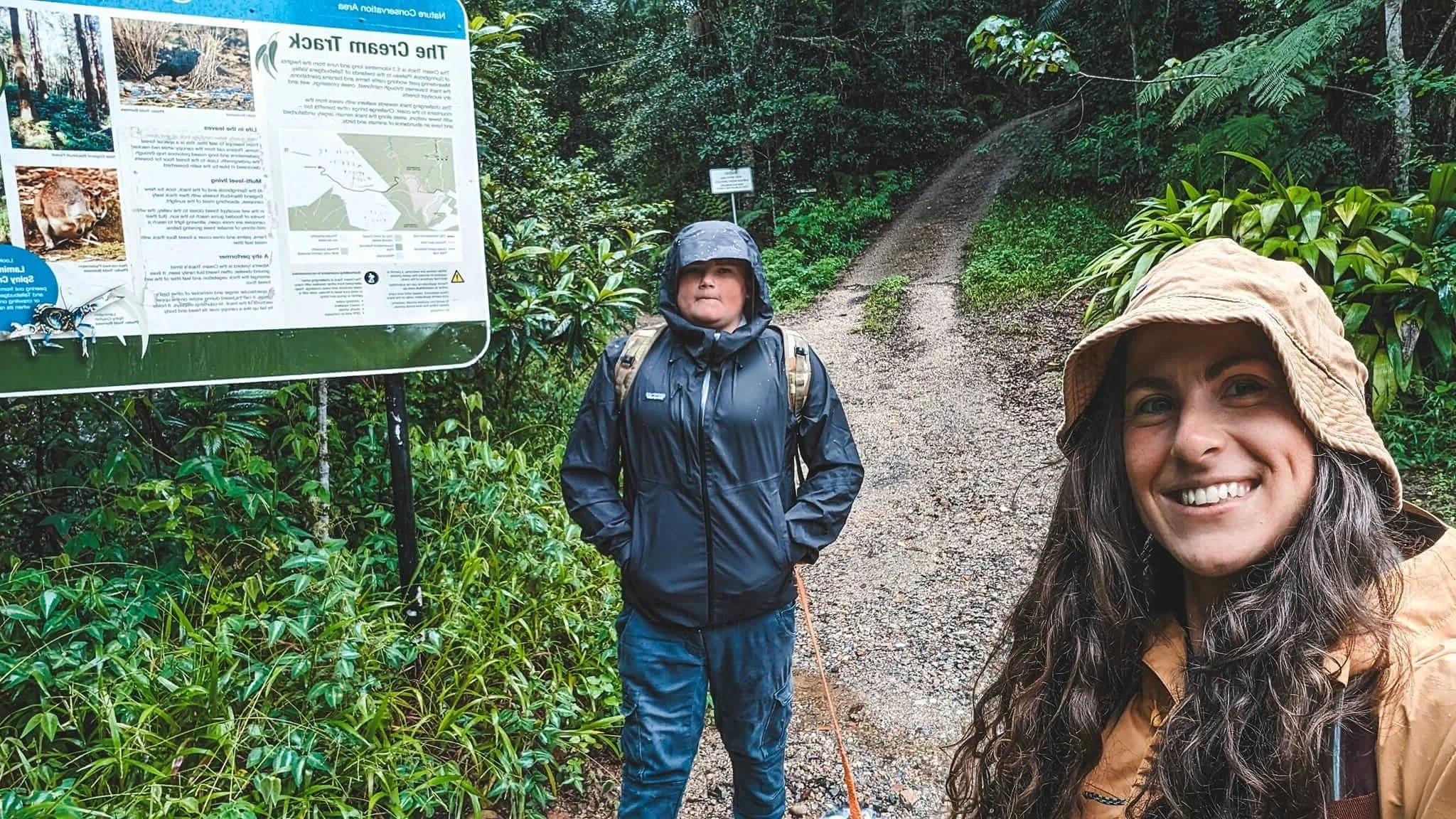
MentoringRelationship-Led Support, Grounded in Real Experience
Mentoring sits at the centre of the Tribes approach. It is where trust is built, confidence develops and meaningful growth begins through intentional, relationship-led support.
Rather than directing participants or simply supporting tasks, Tribes mentoring focuses on helping people discover strengths, build resilience, and develop independence through authentic participation in life, community, and inspiring natural landscapes.
How Tribes Mentoring WorksIntentional Support
Built Around Real Life
Tribes mentoring supports young people, people with a disability and those navigating mental health or life challenges through consistent, trusted guidance.
Sessions are intentionally shaped around participant goals and designed to support skill development that transfers naturally into everyday life. Mentors work alongside participants within authentic environments where confidence and independence can develop safely and meaningfully.
Mentoring may support participants through:
Community participation and social confidence building
Adventure and outdoor-based development
Practical life skills and independence growth
Emotional regulation and confidence-building
Routine, structure, and goal progression
Support is always personalised to individual interests, strengths, and development goals.
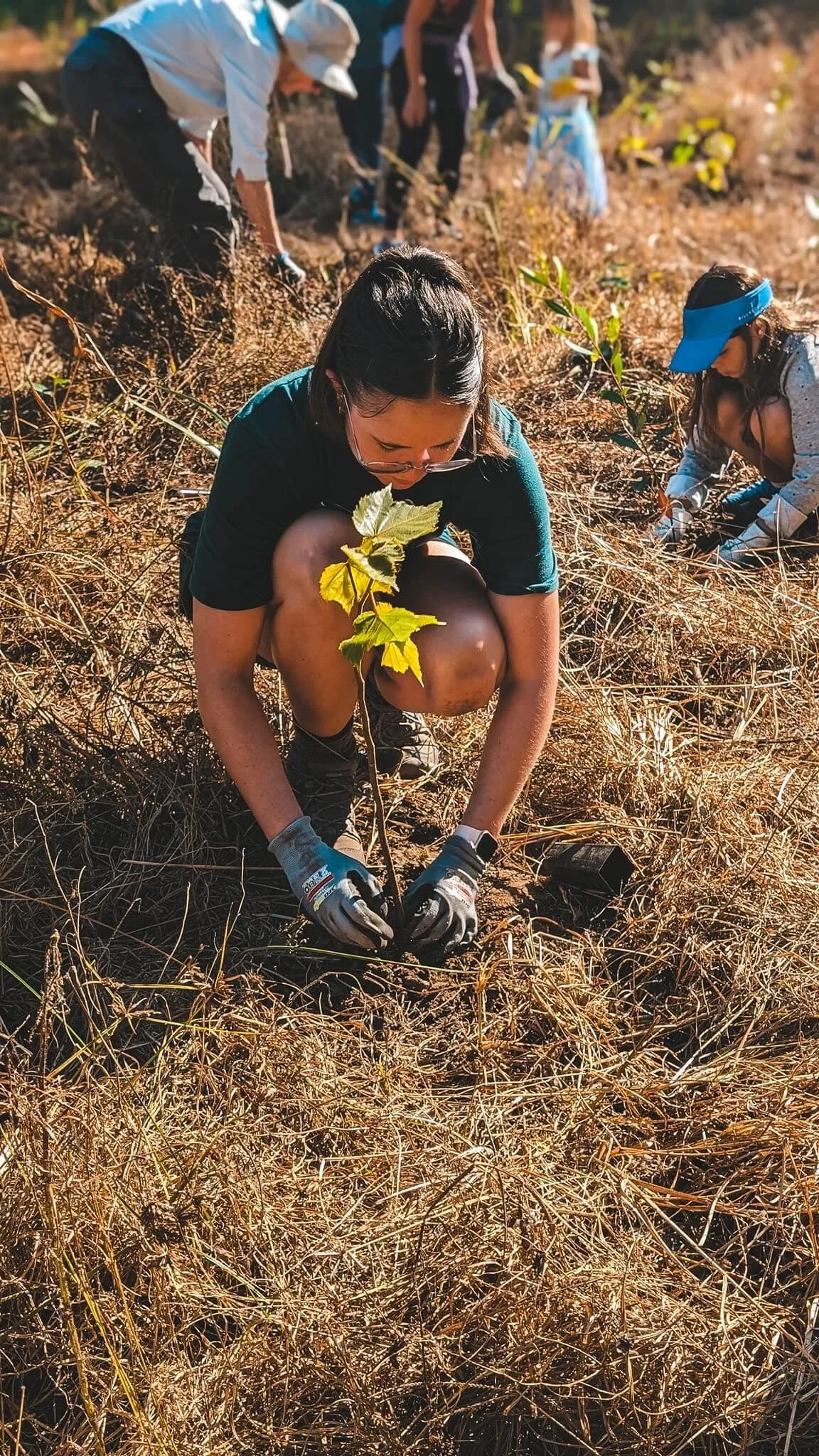
Where Mentoring HappensEnvironments That
Support Growth
Mentoring occurs across natural, community, and everyday environments where participants can develop real-world capability and independence.
These environments may include:
The Tribes Sensory Farm
Community and social environments
Outdoor and adventure settings
Everyday environments such as shopping, recreation, or travel training
By working within authentic environments, mentoring helps participants build confidence and independence in ways that translate directly into daily life.
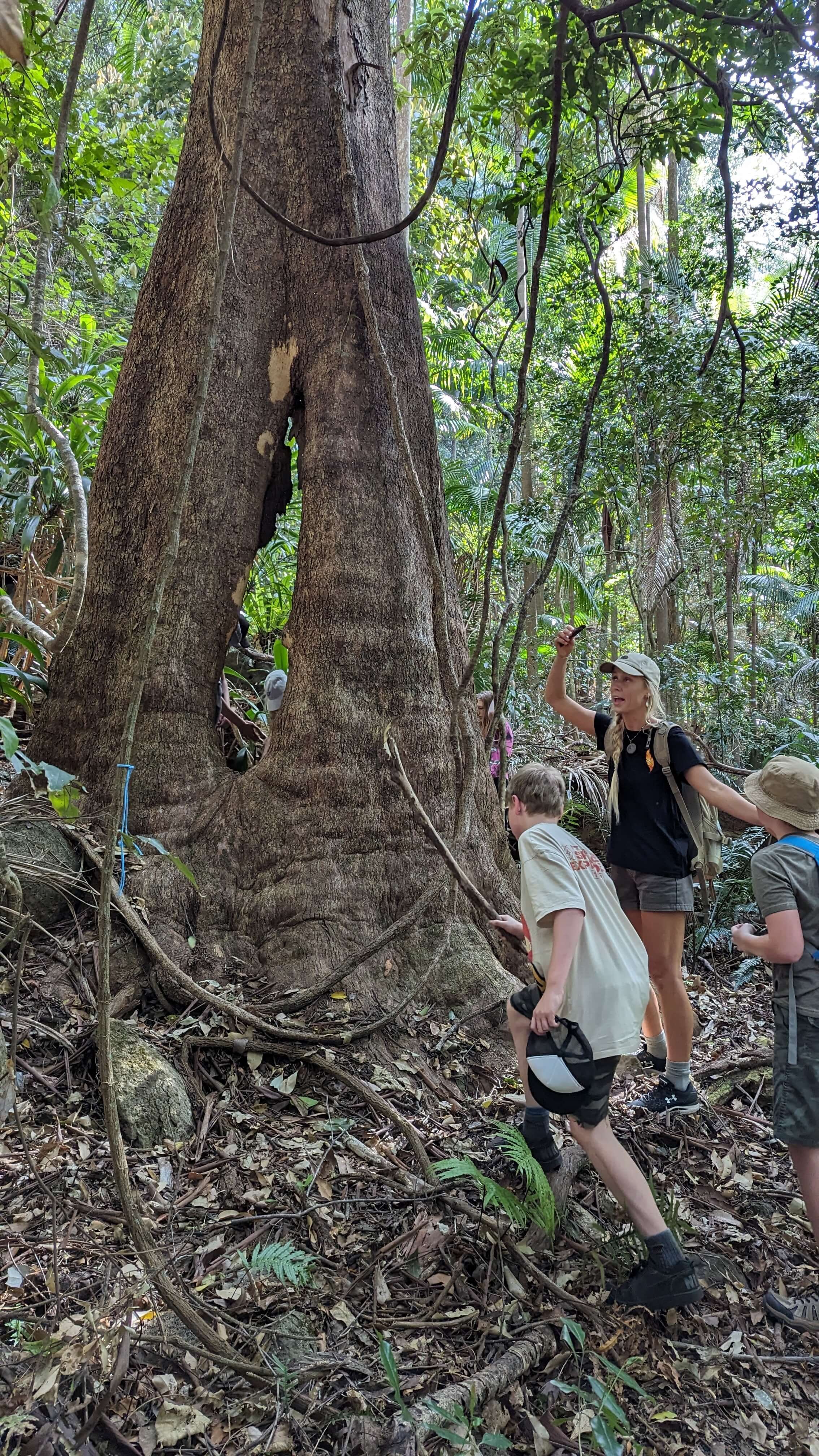
The Eco-Mentor DifferenceMentors Trained in a Nature-Based Approach
Tribes mentors are known as Eco-Mentors. Professionals trained to intentionally use environment, experience, and connection to support development, wellbeing, and skill building.
Eco-Mentors complete specialised internal training focused on relationship-led mentoring, safety, and therapeutic outdoor practice. This ensures mentors provide safe, purposeful, and development-focused support while building strong, trusted relationships with participants.
Why Tribes Mentoring WorksMentoring That Builds Identity, Not Just Activity
Tribes mentoring is built on the belief that support should help people discover who they are becoming — not simply complete activities or support hours.
Tribes mentoring is built around:
Long-term trusted mentor relationships
Purposeful, hands-on learning
Strength-based participant development
Strong community culture
Mentoring designed for sustainable independence
Participants are supported to build:
Increased independence and daily living capability
Stronger communication and social confidence
Emotional regulation and resilience
Identity development and self-belief
Community participation and inclusion
Functional life and transition skills
Outcomes are aligned with participant goals and NDIS plan objectives.
Part of a Broader Growth PathwaySupporting Development as Confidence Evolves
Mentoring forms part of the Tribes development pathway, supporting participants as confidence, independence, and goals evolve over time.
Many participants engage in mentoring alongside:
-
Programs of Support
structured weekly skill-building
-
Day Programs
peer-based social confidence and belonging
-
Sensory Farm Experiences
regulation, contribution, and environmental learning
-
Rites of Passage Journeys
transformational growth through challenge and milestones
Frequently Asked Questions
-
Mentoring frequency is guided by participant goals, support plans, and individual needs. Some participants engage in regular weekly mentoring, while others access support more flexibly as confidence and independence develop.
-
Mentoring occurs across natural, community, and everyday environments where real-life skills can be practised meaningfully. This may include community spaces, outdoor settings, everyday activities, and the Tribes Sensory Farm, depending on participant goals.
-
Yes. The Sensory Farm is a key mentoring environment and offers opportunities to support regulation, responsibility, social connection, and practical life skills through purposeful engagement with land, animals, and environment.
-
Mentors are matched based on participant goals, interests, personality fit, and support needs. We prioritise consistency and relationship-building so trust can develop over time.
-
Yes. Mentoring is intentionally designed to support confidence-building at an individual pace. Mentors work alongside participants in supportive environments that encourage gradual engagement rather than pressure or performance.
-
Yes. Mentoring supports emotional regulation, communication, confidence, and behaviour development through intentional, relationship-led support grounded in real-life participation.
-
Mentoring focuses on individual, relationship-led development, while group programs focus on peer connection, social confidence, and shared participation. Many participants engage in both as part of a broader development pathway.
-
Mentoring typically uses NDIS Core Supports (Community Participation) and Capacity Building Supports, depending on participant plans and goals. Our team can help explore the most suitable options.
Ready to Explore Mentoring With Tribes?
Every mentoring journey begins with a conversation about goals, interests, and the type of support that feels right.