
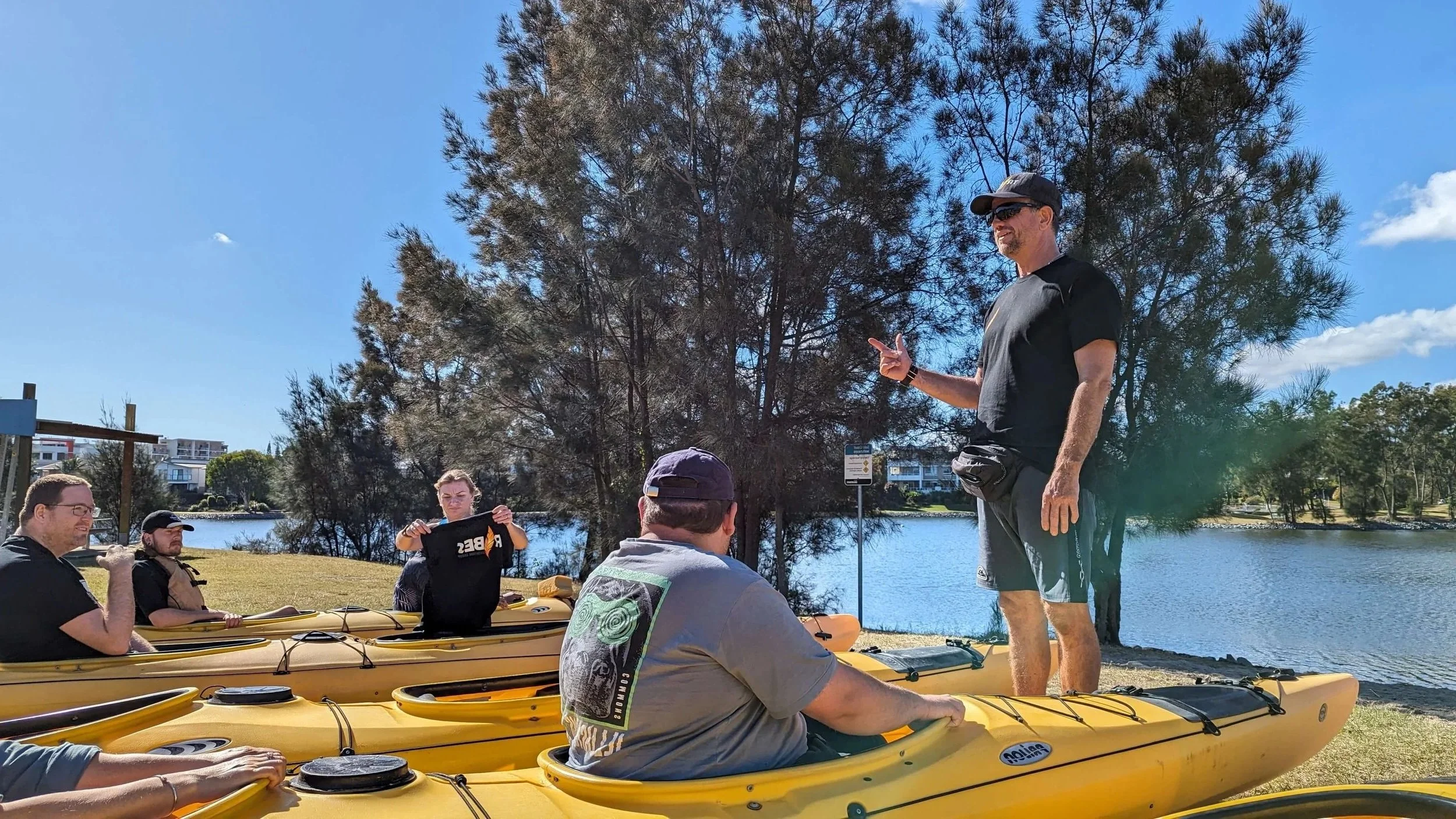
Programs of SupportStructured Pathways
for Skill Development and Independence
Programs of Support provide structured, time-limited pathways designed to build independence, confidence and practical capability over time, supporting NDIS capacity building and social and community participation outcomes.
Typically delivered over 6 to 12 weeks, each program supports participants to develop practical skills, strengthen capability, and grow through consistent participation.
Progress is supported week by week, helping participants build momentum, confidence, and a strong sense of achievement.
While each program has a different focus, all are grounded in the same Tribes approach, experiential learning, purposeful participation, and supported skill development.
Life SkillsPractical Skills for
Everyday Independence
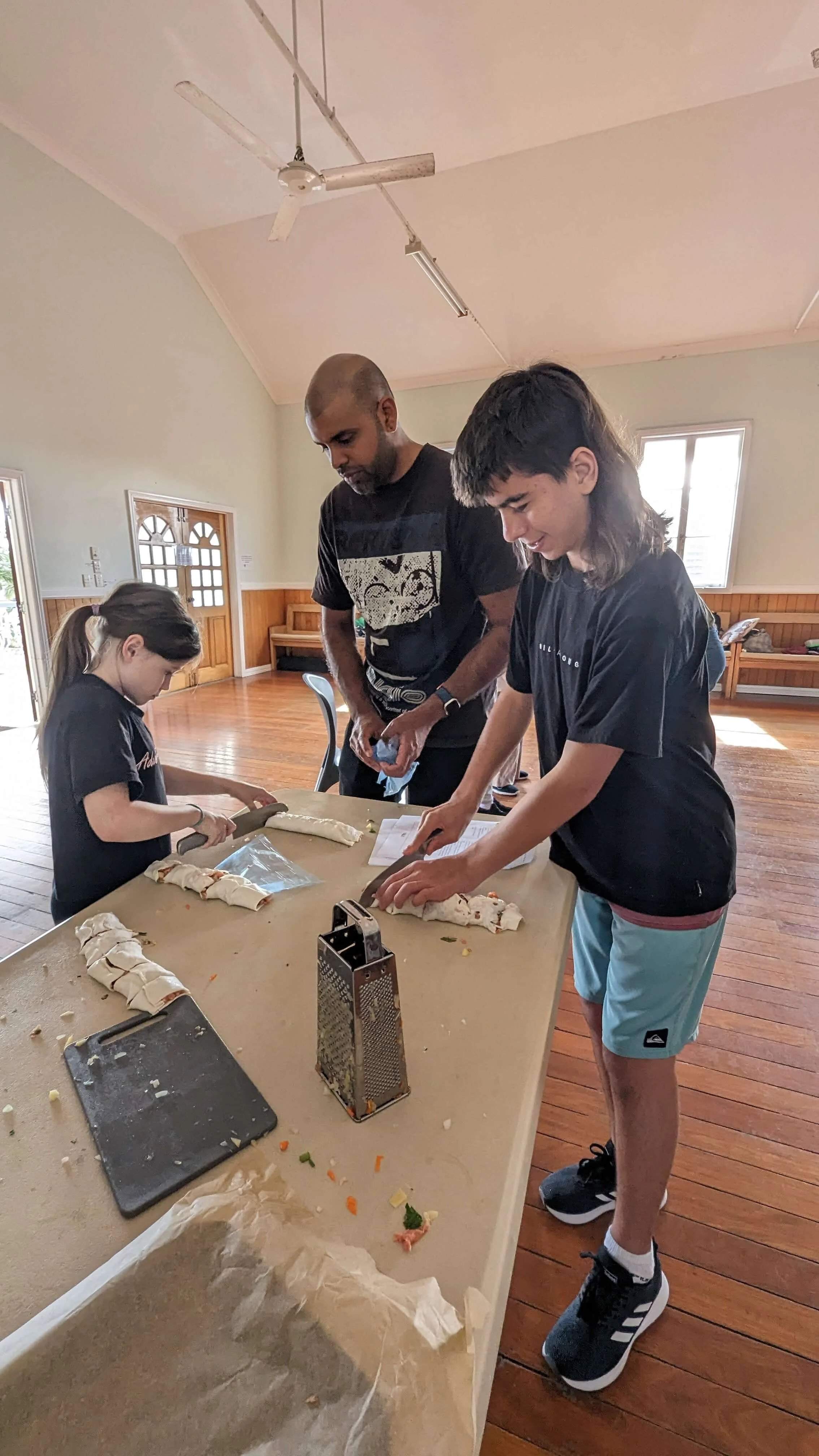
Life Skills programs focus on developing confidence and capability in real-world environments. Participants learn through doing, building routines, responsibility, and independence in practical, supported settings.
Programs may include:
Cooking and food preparation
Planning, budgeting, and organisation
Teamwork and responsibility within group settings
Finding and maintaining employment
Alongside practical learning, participants may explore cultural traditions, routines around shared meals, and the social aspects of everyday living, reinforcing both competence and confidence.
Social ConnectionDeveloping Social
Capability and Confidence
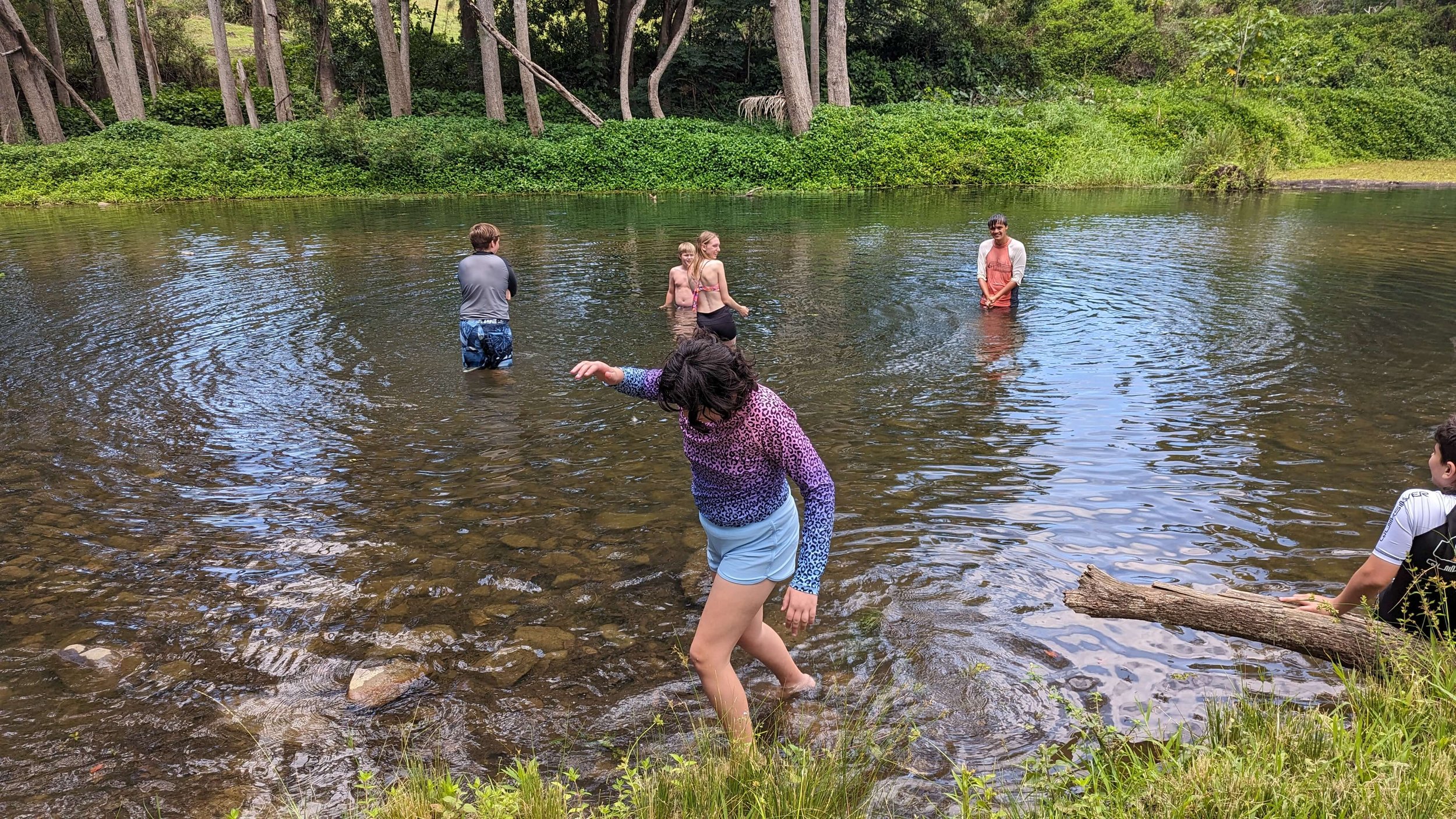
Social Connection programs create space for participants to social confidence, communication skills and the ability to participate positively within group and community settings.
Activities are adventure-based and nature-connected, offering structured opportunities for social interaction, cooperation, and participation.
Participants are encouraged to take part in planning and decision-making, supporting skill development in communication, leadership, and collaboration. Sessions are designed to strengthen confidence, supporting engagement both within and beyond the program environment, aligned with NDIS social and community participation outcomes.
Health & WellbeingMovement, Regulation,
and Confidence
Health and Wellbeing programs support participants to develop positive relationships with their bodies through movement, exploration, and supported challenge.
Programs may include:
Fitness and strength-based activities
Movement, breathwork, and body awareness
Outdoor and water-based experiences
The focus remains on consistency, regulation, confidence, and enjoyment never performance.
Adventure & ExplorationConfidence Through Challenge and Discovery
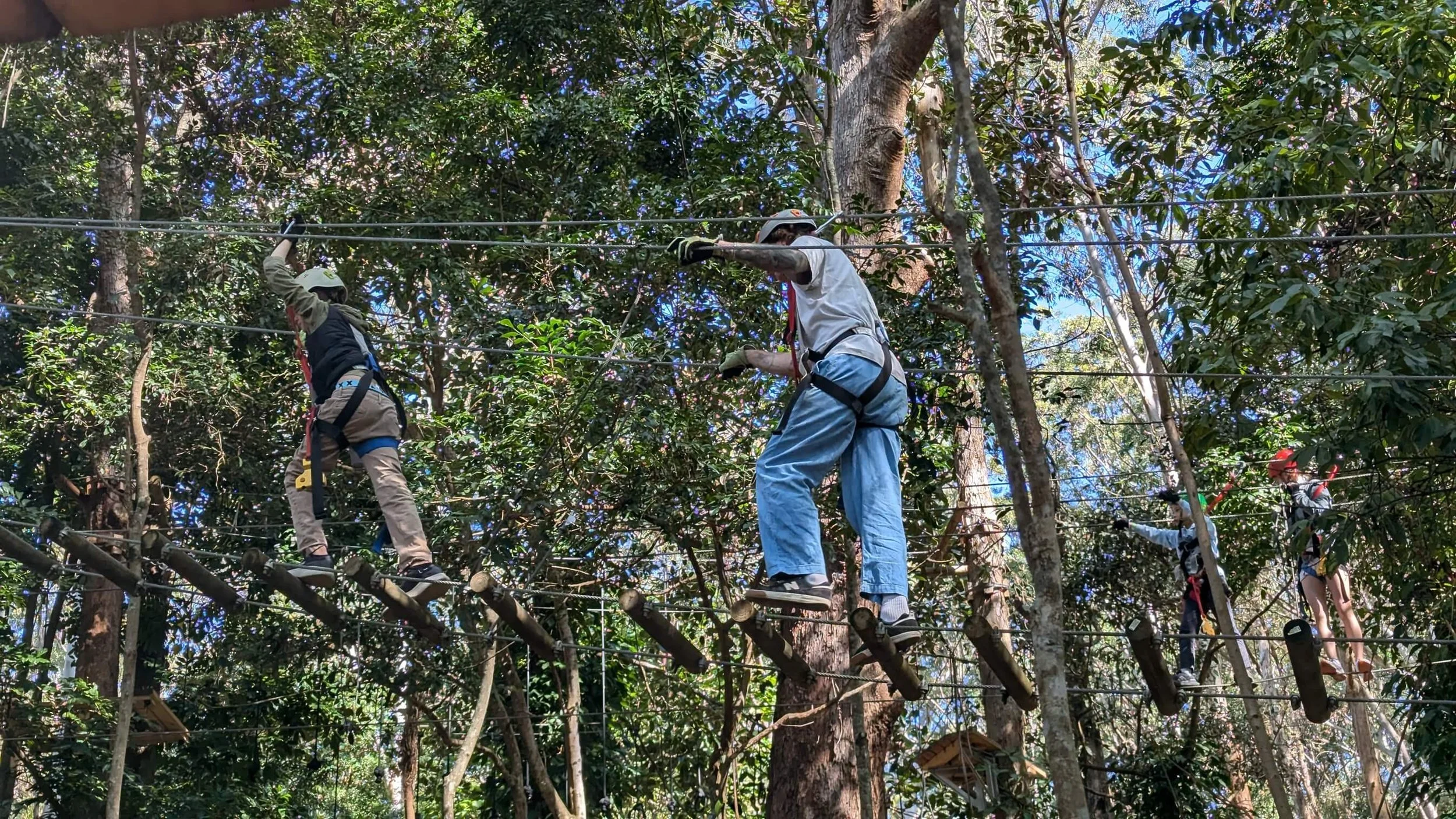
Adventure and Exploration programs introduce participants to new environments and experiences through guided, supported nature-based participation.
Whether on land or water, these programs encourage courage, teamwork, and self-belief through structured challenge and skill development.
Activities are inclusive across experience levels, with staff providing preparation, guidance, and support throughout each experience. Participants are supported to approach challenge safely, building confidence and resilience through practice, success, and reflection.
A Consistent Pathway
for Growth
Programs of Support are designed to create steady, supported progress over time. By combining structured learning, group experience, and mentoring support, participants are given opportunities to build independence, social confidence, and practical life capability aligned with NDIS structured group support and capacity building pathways.
Frequently Asked Questions
-
Programs of Support focus on structured skill development through consistent participation. Mentoring focuses on individual relationship-based support and personal development.
-
Programs of Support focus on progressive skill-building and structured development. Day Programs focus on peer participation, social confidence, and group experiences.
-
Programs of Support are typically delivered through Capacity Building Supports or Core Supports depending on participant plans and goals.
Ready to explore our Programs of Supports?
Every mentoring journey begins with a conversation about goals, interests, and the type of support that feels right.